What to eat to get pregnant.
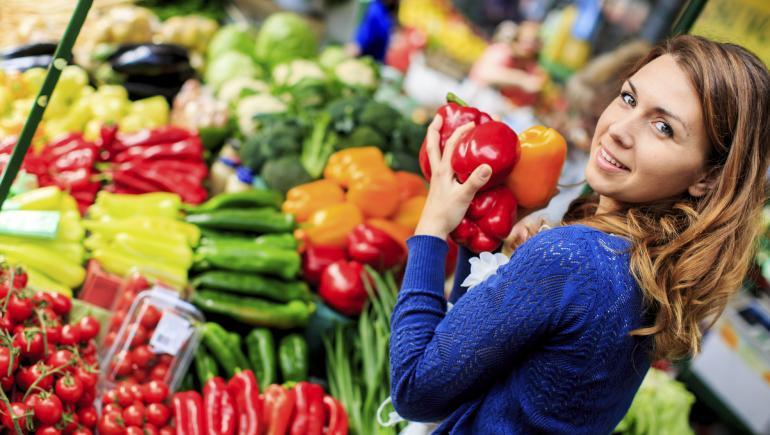
What ingredients are particularly important when planning a pregnancy?
There are several ingredients we should keep in mind when following a fertility-supportive diet. Particular attention should be paid to foods rich in folate, iron, vitamin D, vitamin E and omega 3 fatty acids.
Folic acid
It is important for the normal functioning of the haematopoietic system and affects the development of the body's cells. Folic acid deficiency in women can result in weakened egg cells or halted ovulation. Adequate folate intake is associated with a reduced risk of spontaneous miscarriage, reduced birth weight of newborns, damage to the placenta, and the development of neurological defects in the foetus.
Products rich in folic acid:
Spinach, lettuce, broccoli, pulses, citrus fruits, yeast, liver, whole grain cereal products, kale, parsley, asparagus, lettuce, eggs, almonds.
Unsaturated fatty acids
They not only provide energy and carry vitamins, but also regulate blood pressure, support the digestive tract and kidneys and the reproductive organs. Research at Erasmus University Medical Center in Rotterdam has proven that the presence of unsaturated fatty acids in the body of patients trying to conceive increases the chance of conception by up to 40 per cent.
Omega-3 fatty acid additionally stabilises the menstrual cycle and hormone levels in the female body, influences the production of increased cervical mucus and better blood supply to the uterus, which facilitates the implantation of the embryo. Not without significance is also the salutary effect of omega-3 on the effects of stress, one of the greatest enemies of fertility.
Products rich in unsaturated fatty acids (EFAs):
Marine fish (but beware of salmon, tuna or farmed mackerel - they may contain mercury or other toxic compounds), vegetable oils, avocados, walnuts.
Iron
A diet for fertility in women must also not lack iron, which supports the overall health and immunity of the body. It is also essential for the proper functioning of the egg cell and the embryo. Iron deficiencies can lead to premature birth and birth disorders.
Iron-rich products:
animal products, especially red meat, fish, legumes, nuts, beetroot, parsley root, dried figs and apricots, pumpkin seeds, parsley.
Vitamins D and E
Vitamin E influences the proper course of pregnancy and the foetus, helping to avoid miscarriages, pre-eclampsia, foetal development disorders and ovulation disorders. Vitamin D, on the other hand, is essential for the production of the hormones necessary for normal ovulation.
Products rich in vitamin E:
vegetable oils, especially sunflower seeds, wheat germ, hazelnuts, almonds, egg yolks, leafy vegetables (e.g. spinach, lettuce), parsley, pumpkin seeds and sunflower seeds.
Products rich in vitamin D:
cheese, milk, mushrooms, oily sea fish, especially herring, mackerel, salmon, sardines.
"Good proteins" in the diet for fertility
It is mainly plant-based proteins that improve ovulation in women. Your pre-pregnancy diet should also include full-fat dairy. Research from Brigham and Women's Hospital in Boston found that one serving of a full-fat dairy product per day, preferably milk, reduces ovulatory infertility by 22 per cent, while consuming the same amount of low-fat dairy increases the risk of infertility by 11 per cent.
What to give up?
Above all, exclude from your diet simple carbohydrates, so-called simple sugars, found for example in fruit juices, artificially produced "trans" fats, commonly used in the food industry, and products containing preservatives. So avoid: white bread, pasta, sugars, sweets, cakes and confectionery, hydrogenated vegetable fats, fatty meats. Limit drinking coffee, as caffeine causes the blood vessels to contract, which slows down the flow of blood to the uterus. If you are having difficulty getting pregnant, you should also give up alcohol altogether, which hinders conception.
It doesn't take long to plan a healthy diet, and it can make a big difference - benefiting your fertility and improving your overall health. So don't put it off 'until Monday'. Start eating healthily today.
A diet to improve fertility in men
When thinking about diet for fertility, men cannot be left out. The right foods improve semen parameters. A menu rich in nutrients such as omega-3 fatty acids (olive oil, oily fish, nuts) is essential for spermatogenesis. In addition, the menu should include antioxidants that eliminate excess free radicals, such as:
- vitamin E,
- Vitamin C (peppers, tomatoes and citrus fruits improve sperm count and motility),
- beta-carotene (carrots, spinach and pumpkin promote motility),
- lycopene (tomatoes improve sperm morphology),
- Cryptoxanthin (papaya, apple, oranges, carrots).
And don't forget the micronutrients, especially selenium and zinc. Lentils and peas are good sources of selenium, and you will also find it in peanuts, walnuts and sunflower seeds. Pumpkin seeds, on the other hand, are one of the best sources of zinc.
Papaya and apple are two fruits rich in cryptoxanthin. This carotene is also found in deep orange fruits and vegetables.
Vitamin D is also important (its deficiency has been linked to a decrease in testosterone production and lower sperm synthesis) and folic acid, which improves sperm quality.
Decreased sperm quality can be linked to excessive consumption of red and processed meat, soy-rich foods, sweets and sweetened beverages, some full-fat dairy products, and alcohol and caffeine consumption. You should also avoid excess fat, especially saturated fats (such as coconut oil or palm oil) and hydrogenated fats (margarines). Instead, it is better to consume other, healthier fats such as oily fish, seeds (flax, pumpkin, sunflower), nuts or algae, rich in omega 3.
The medical information presented should be considered as general guidelines and does not replace the individual judgement of the doctor regarding the medical management of each patient. The doctor, after a thorough examination of the patient's condition, determines the extent and frequency of diagnostic tests and/or therapeutic procedures, taking into account specific medical indications. All medical decisions are made in full consultation with the patient.
Author of the article

Invimed editorial team - we serve patients by solving their fertility problems. We use world medical knowledge, state-of-the-art technology and treatment methods. We are here to make dreams of parenthood come true. The smiles on the faces of happy parents give meaning to our work.
See all articles →