Urogynaecological physiotherapy at the Invimed infertility clinic
Urogynaecological physiotherapy is a specialised field of medicine focusing on problems of the genitourinary system and pelvic floor muscles in women. It helps treat urinary incontinence, pelvic organ decline and post-partum complaints. Therapy includes manual techniques, strengthening exercises and patient education. It is particularly effective during pregnancy and the postpartum period. Physiotherapists also use per vaginam treatments and kinesiology tape. The method supports women with endometriosis and fertility problems. Find out how urogynaecological physiotherapy can improve your health and comfort.

Highlights:
-
Urogynaecological physiotherapy supports women with pelvic problems, incontinence, endometriosis and during infertility treatment.
-
Pregnancy visits recommended from the second trimester onwards include learning to breathe, perineal massage and preparation for natural childbirth.
-
Postpartum therapy starts after 4-6 weeks and focuses on working with the scar and controlling abdominal muscle dilation.
-
Contraindications include acute inflammation, undiagnosed reproductive tract bleeding and pelvic organ tumours.
At Invimed, we understand the importance of a holistic approach to women's health, which is why we offer specialised urogynaecological physiotherapy. This field of physiotherapy focuses on problems related to the lower pelvis and urogenital system, supporting patients at different stages of life also in the process of infertility treatment. Modern urogynaecological physiotherapy is based on a holistic approach to the patient, taking into account postural and abdominal recommendations.

What does urogynaecological physiotherapy include?
When to see a urogynaecological physiotherapist:
diastasis of the rectus abdominis muscle in pregnancy
is often manifested by a protrusion (cone) in the umbilical region. It is often accompanied by a prickling, pulling sensation in the navel or midline of the abdomen.
Therapy includes:
- manual therapy - spinal work,
- ribs ,
- abdominal muscles
- as well as kinesiology tape - secures the white line to better stabilise the abdominal muscles and prevent further widening of the separation.
learning to tighten and relax the pelvic floor muscles
With the patient's consent, per vaginam therapy - assessment of whether muscles have normal resting tension or are in hypertonia, for example. Assessment of muscle function - pelvic floor muscle training . Active stretching and relaxation by the patient. Visits include manual therapy of the pelvic area: working with the uterine ligaments, pelvic floor muscles, sacrum - ligament and drainage techniques. Working with the chest and diaphragm - an essential part of natural childbirth - learning to breathe Control of the pelvic floor muscles and their function at each stage of pregnancy. Body support through kinesiology tape - stabilisation of abdominal muscles, pelvic relief through abdominal elevation, spinal relief, drainage for oedema.
learning to massage the perineum
can take place with a partner - teaching the partner how to massage the perineum (not obligatory, but it is a possibility)
in the final stage of pregnancy discuss postpartum recommendations
proper rising from the hospital bed (after cc and after natural childbirth), learning anticoagulation and breathing exercises, learning how to care for a scar
endometriosis
Make an appointment to see a urogynaecological physiotherapist


Importance of physiotherapy in the context of women's health
The importance of urogynaecological physiotherapy for women's health is enormous, especially in the context of problems such as urinary incontinence, pelvic organ depression, pain and dysfunction after childbirth or gynaecological surgery, or endometriosis. The urogynaecological physiotherapist, through appropriate manual techniques and exercises, restores the pelvic floor muscles, improving their strength and flexibility. Physiotherapy supports women in every period of life, from prevention to rehabilitation.
First visit to a urogynaecological physiotherapist

What to take to the first visit?
For the first appointment with a urogynaecological physiotherapist, the patient should bring a few essential items with her.
First and foremost:
-
Physiotherapy is a combination of medical knowledge, manual therapy and well-targeted movement, improving function and quality of life, while cooperation with the patient and open communication produces amazing treatment results and restores comfort in daily functioning.All medical records, including test results, hospital discharges and a list of medications taken.
-
Information on past gynaecological and urological surgeries and procedures.
In addition, it is a good idea to write down the questions you want to ask the physiotherapist so that you can make the most of your appointment time and clarify any doubts you have about your planned urogynaecological therapy.
Course of a visit to a urogynaecological physiotherapist
The course of the first visit to a urogynaecological physiotherapist usually begins with a detailed history to understand the patient's problems and complaints.
The physiotherapist then carries out an examination which includes, but is not limited to:
-
postural assessment
-
palpation of the pelvic floor muscle tone per vaginam
-
assessment of abdominal wall function
Based on the information gathered, the specialist sets up an individual physiotherapy plan tailored to the patient's needs.
Health assessment and medical history - when visiting a urogynaecological physiotherapist
During the health assessment and medical history, the urogynaecological physiotherapist will ask in detail about the patient's medical history, past surgeries and procedures, pelvic pain, problems with incontinence or pelvic organ depression. In addition, the specialist may ask about lifestyle, physical activity and diet to get a complete picture of the patient's health. The information gathered is key to developing an effective urogynaecological therapy.
Make an appointment to see a urogynaecological physiotherapist

Specialists in urogynaecological physiotherapy
The role of the urogynaecological physiotherapist
The role of the urogynaecological physiotherapist is vital in the treatment and rehabilitation of women with pelvic dysfunction. This physiotherapist specialises in the diagnosis and therapy of the muscles of the pelvic floor, the organs of the lower pelvis, and urinary incontinence, organ decline, endometriosis as well as the treatment of infertility. Through manual techniques, exercises and biofeedback, the urogynaecological physiotherapist restores the normal function and flexibility of the pelvic floor muscles, improving the patient's quality of life.
How do you choose the right specialist?
When choosing a urogynaecological physiotherapist, it is worth paying attention to their experience, specialisation and certificates of qualification in urogynaecological physiotherapy. A good specialist should be characterised by a holistic approach to the patient, the ability to listen and an individual therapy plan tailored to the patient's needs. It is important that the physiotherapist is able to clearly explain what urogynaecological physiotherapy is, what the recommendations are and what results can be expected.
Training and certification of urogynaecological physiotherapists
Urogynaecological physiotherapists undergo specialised training and courses to gain the knowledge and skills necessary to work with patients with pelvic floor dysfunctions. Certification in urogynaecological physiotherapy confirms the high level of competence of the physiotherapist in the diagnosis and treatment of problems related to pelvic floor muscles, urinary incontinence, pelvic organ descent and other complaints. By choosing a certified specialist, the patient can be assured that she is using the services of a qualified physiotherapist.
Urogynaecological physiotherapist at the Invimed clinic Gdynia, Poznan, Warsaw Praga


Alicja Dolata
Urogynaecological physiotherapyMake an appointment to see a urogynaecological physiotherapist
Techniques and therapies in urogynaecological physiotherapy
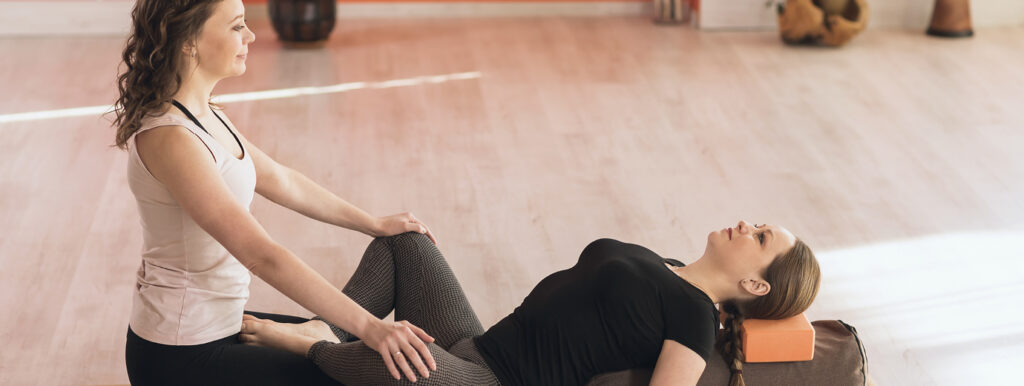
Pelvic floor muscle therapy
Pelvic floor muscle therapy is a key component of urogynaecological physiotherapy. The urogynaecological physiotherapist uses a variety of manual techniques, such as a per vaginam palpation assessment of pelvic floor muscle tone, to identify dysfunctions and complaints. Pelvic floor muscle strengthening and relaxation exercises are then implemented to improve muscle strength, flexibility and coordination. The aim of the therapy is to restore normal muscle function, which translates into a reduction in incontinence and an improvement in the patient's quality of life.
Per vaginam treatment
Per vaginam treatments are an important part of therapy in urogynaecological physiotherapy. Using the per vaginam examination, the physiotherapist can accurately assess the condition of the pelvic floor muscles and pelvic organs. The manual techniques used per vaginam allow for the relaxation of pelvic floor muscle tension, improvement of blood circulation and reduction of pelvic pain. These procedures are particularly effective in treating dysfunctions associated with pelvic organ descent and endometriosis.
Physiotherapy in pregnancy
Visits to a urogynaecological physiotherapist are recommended from the second trimester onwards. During the course you will learn which exercises are recommended during pregnancy and which should be avoided. You will learn how to carry out daily activities with correct posture without straining your spine and abdomen. You will learn how to look after your pelvic floor, how to breathe properly, prevent discomfort and incontinence.
List of ailments with which you can see a physiotherapist during pregnancy:
-
back pain
-
rib pains
-
hip pain
-
pain in the area of the pubic symphysis
-
a feeling of heaviness in the perineum
-
pulling in the groin
-
swelling of the legs
-
heartburn
-
numbness in arms, legs
-
stabbing in the lower abdomen
-
urinary incontinence
-
pain during intercourse
-
haemorrhoids
-
neck pain, shoulder girdle pain
Physiotherapy after childbirth
If you have had a caesarean section, rupture or perineal incision during childbirth, you can see a urogynaecological physiotherapist while you are still postpartum. Approximately 4-6 weeks after delivery - ideally after 4 weeks. Patients learn how to care for the scar so that it heals quickly and is as invisible as possible. The specialist will prevent adhesions, a pulling sensation and discomfort, and will teach self-massage of the scar.
Another important part of the visits is the posture check. During pregnancy, posture changes significantly, and after giving birth it is worth checking that the body naturally returns to its pre-pregnancy state.
The physiotherapist will verify which muscles have weakened during pregnancy and childbirth and need to be strengthened, and which need to be relaxed. The specialist will look at the strength of the pelvic floor muscles and the dilation of the rectus abdominis muscles (ultrasound examination), arranging a set of appropriate exercises and activities. Patients learn how to avoid overloading, exacerbating diagnosed dysfunctions.
And the postnatal visit includes:
-
a detailed history of past illnesses, injuries, pregnancy and childbirth. You can bring your hospital discharge certificate to the appointment
-
Structural examination - assessment of rectus abdominis muscle distension, assessment of pelvic floor muscles, assessment of posture - manual examination + ultrasound
-
functional examination - assessment of the range of mobility and muscle strength - manual examination + usg
-
manual therapy - relaxation of tissues under increased tension . Treatment methods: muscle and fascial techniques and visceral therapy
-
scar therapy ( caesarean section, perineal incision ) - after 4 weeks, best to work with the scar
-
exercises to strengthen specific muscle groups - recommended at home
-
learning correct daily habits - lifting the child , getting up with the child , correct toilet habits
-
Kinesiology tape - used patches in the case of rectus abdominis muscle separation or scar loosening
Subsequent appointments after delivery :
-
mostly cyclical meetings every week or every 2 weeks depending on the need
-
continuation of manual therapy, further exercises, control and evaluation of effects after previous therapies and exercises at home
Contraindications to urogynaecological physiotherapy
There are some contraindications to the use of urogynaecological physiotherapy. These include some conditions, which can be summarised in the table below:
Body area: Pelvic region
Contraindications: Acute inflammatory conditions, undiagnosed reproductive tract bleeding, pelvic organ tumours, severe infections
For patients who have undergone surgery or gynaecological or urological procedures, physiotherapy should be implemented after consultation with the attending physician. The urogynaecological physiotherapist always carefully assesses the patient's condition before starting therapy to ensure that the treatment is safe and effective.
Application of physiotherapy to health problems

Physiotherapy for urinary incontinence
Physiotherapy plays a key role in the treatment of urinary incontinence. The urogynaecological physiotherapist focuses on strengthening the pelvic floor muscles that support the bladder and urethra. Through exercises, biofeedback and manual techniques, the physiotherapist helps the patient regain bladder control and reduce episodes of incontinence. Therapy is tailored individually, taking into account the type and severity of the condition.
Impact on general well-being and quality of life
Urogynaecological physiotherapy has a huge impact on the patient's overall wellbeing and quality of life. Improved pelvic floor muscle function translates into increased comfort during daily activities, reduced pelvic pain and improved sexual satisfaction. The patient gains self-confidence and independence, which has a positive effect on her relationships with loved ones and social activities. The aim of physiotherapy is not only to treat the symptoms, but also to improve the patient's overall health and well-being.
Examples of therapeutic successes
There are many examples of therapeutic successes in urogynaecological physiotherapy. A patient with urinary incontinence regains bladder control after a few weeks of therapy and can participate freely in social life. Post-partum women return to full fitness thanks to pelvic floor muscle rehabilitation. The urogynaecological physiotherapist also helps patients with endometriosis to manage their pain and improve their quality of life. These examples demonstrate the importance of physiotherapy in improving women's quality of life.
Physiotherapy in the treatment of infertility
Through the use of manual techniques, the therapist helps to detect and treat the causes of conception difficulties, improving hormonal balance, circulation, the nervous and visceral systems. Often when there are tensions in a woman's body, conception is difficult.
Physiotherapy in endometriosis
Endometrial cells outside the uterine cavity cause local inflammation in nearby organs.They are often the cause of adhesions within these tissues. Through appropriate therapeutic techniques, we loosen the tense structures and facilitate drainage throughout the body to reduce the formation of adhesions.
Our specialists in the clinic Invimed Gdynia, Poznan, Warsaw Praga
Alicja Dolata
Urogynaecological physiotherapyWhen is it a good idea to go to a urogynaecological physiotherapist?
Painful periods/pain during intercourse/perineal pain/haemorrhoids
manual therapy, with the patient's consent, per-vaginam therapy, set of individual exercises, kinesiology tape to relieve stressed tissues
Endometriosis : this disease is associated with high tissue tension.
As a result of adhesions, the mobility of the internal organs is restricted and blood flow is impaired. Physiotherapy helps to improve circulation in, among other things, the pelvis (with endometriosis, stasis often forms there). Visits are recommended at the beginning of the therapy about once a week for a month and then once a month preferably before your period.
Improving ,,fertility". Women trying to have a baby naturally or in preparation for invitro.
Physiotherapy helps to improve circulation in the internal organs, so this increases the chances of conception. Pelvic floor muscle relaxation therapy improves comfort in the invitro procedure.
Manual therapy is applied - ligaments and muscles of the pelvic region, diaphragm , spine and sacrum. With the patient's consent, per vaginam therapy.
Working with the autonomic system - to reduce stress in patients, this may improve the chance of success of the procedure.
Depending on the tensions in the patient's body, visits every 1 - 2 weeks are recommended.
Post-operative therapy in gynaecology e.g. hysterectomy, laparoscopy.
Approximately 4 weeks after surgery.
After each treatment, the tissues may become more tense. The physiotherapist uses manipulation techniques to help relax these areas.
An important element is always scar work - scar therapy is best started about 4 weeks after surgery. The therapy includes tissue relaxation techniques, kinesiology tape, learning how to care for the scar, how to function properly on a day-to-day basis so as not to strain the scar area.
Make an appointment to see a urogynaecological physiotherapist
Frequently asked questions - FAQ
Urogynaecological physiotherapy should not be painful. Some manual techniques may cause mild discomfort, especially in the case of muscle tension. The physiotherapist always adjusts the intensity according to the patient's feelings. Communication with the therapist is key - you can always ask to reduce the intensity.
The length of treatment depends on the type and severity of the problem. Usually the first effects are visible after 4-6 weeks of regular visits. Complete therapy can last from 2-3 months to six months. Patients with endometriosis often require longer maintenance treatment.
Urogynaecological physiotherapy perfectly complements other forms of treatment. It can be combined with pharmacotherapy, psychotherapy or hormonal treatment. It is important to inform the physiotherapist about all medications and therapies you are taking. Cooperation with the gynaecologist is particularly important.
Bibliography:
- Kuciel, N., Markowska, D., Chomińska, A., & Wiśniowska, P. (2024). Physiotherapy in urogynaecology. Warsaw: PZWL Wydawnictwo Lekarskie. ISBN 978-83-01-23766-0.
- Michalska, A., Rokita, W., Wolder, D., & Pogorzelska, J. (2018). Diastasis recti abdominis - a review of treatment methods. Polish Gynaecology, 89(2), 97-101.
- Kuciel, N. (2016). The effect of application of the Kinesio Taping method on changing the properties of muscles stabilizing the lower limb rim in pregnant women with pelvic pain [Doctoral dissertation]. Piastów Śląskich Medical University in Wrocław.
- Szukiewicz, D. (ed.). (2022). Physiotherapy in gynaecology and obstetrics (2nd ed.). Warsaw: PZWL Wydawnictwo Lekarskie. ISBN 978-83-01-22494-3.
The medical information presented should be considered as general guidelines and does not replace the individual judgement of the doctor regarding the medical management of each patient. The doctor, after a thorough examination of the patient's condition, determines the extent and frequency of diagnostic tests and/or therapeutic procedures, taking into account specific medical indications. All medical decisions are made in full consultation with the patient.
Author of the article

Invimed editorial team - we serve patients by solving their fertility problems. We use world medical knowledge, state-of-the-art technology and treatment methods. We are here to make dreams of parenthood come true. The smiles on the faces of happy parents give meaning to our work.
See all articles →