The diet that heals?.
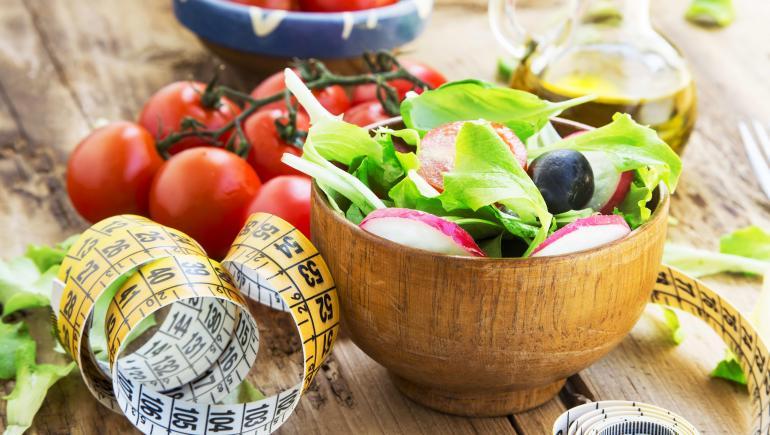
The New Year is always an excuse to make new resolutions. It is worth taking this opportunity to think about whether what we eat keeps us healthy. It is well known that pregnancy is a sign of a healthy body. When we ensure its well-being, it will return the favor with the strength to fight for a new life. So what is the first New Year's resolution? We change our shopping list!
The benefits of a healthy diet could be listed at length. The first, and most obvious, is weight loss. Who among us doesn't dream of fitting into a smaller size? At least one smaller...What we eat also shows on our face. A healthy diet means an end to sallow, imperfect skin, brittle nails and hair loss. A healthy diet means lighter digestion, a lighter body, lighter dreams and thoughts. But that's not all. The choice of what we eat affects the functioning of all body systems, including the reproductive one. And even if this one seemingly works flawlessly, other illnesses caused by a poor diet can disrupt or halt its work. Why? All the energy we give it is used to repair the damage we have done to it by feeding it what our body does not like.
We know, we know, that replacing carbonara with cream of broccoli and a vanilla shake with a celery shake is not easy, so we will try to help you with this. But to start with, Dr Małgorzata Kaczkan, a dietician from the InviMed infertility treatment clinic in Gdynia, will explain the relationship between infertility and lifestyle and nutrition.
"One of the causes of infertility, in both men and women, is obesity. It is said to occur when the weight is 20-25% above the ideal weight, which is the weight that should provide the best conditions for a person to be healthy. Fat tissue produces oestrogens that affect the sexual cycle. Therefore, an inappropriate amount of it leads to a disruption in the production of this hormone. The reproductive cycle is also influenced by leptin, a satiety hormone acting on the hypothalamic-pituitary-ovarian axis.
People with abdominal obesity develop insulin resistance (often accompanying polycystic ovary syndrome), which is characterised by high concentrations of the hormone in the blood. Insulin has a number of important functions: not only does it transport glucose from the blood into the cells, but it also signals the body to start storing energy in the form of fat. Obese people should avoid products containing simple carbohydrates, which raise blood glucose and insulin levels. These include industrially processed and easily digestible carbohydrates, e.g. white bread, white rice, light pasta, sweets and drinks, one serving of which can contain up to several teaspoons of sugar. Studies have confirmed that a 12-month period of proper weight loss reduces blood insulin levels and increases the body's sensitivity to insulin.
Adequate weight loss, carried out over a reasonable period of time, can restore normal functioning of the endocrine system and stabilise the reproductive cycle. For those who do not believe in the link between infertility and being overweight, I provide scientific confirmation. As early as 1998, researchers noted that a weight loss of about 6 kg in 90% women resulted in the return of normal ovulation, and 77% of them became pregnant within 6 months. However, it is important to bear in mind that weight loss must always be consulted with a doctor and dietician. Remember that rapid weight loss over a short period of time is not good for health. Also in men, body mass indices (BMI - body mass index - kg/m2) are strongly linked to indicators of semen quality and quantity. Both overweight and underweight reduce sperm count. Obesity and low physical activity promote overheating of the testes, ultimately leading to reduced fertility. Underweight men, on the other hand, have low testosterone concentrations, preventing the maintenance of normal spermatogenesis. In 2006, it was found that the number of properly motile spermatozoa in men with a BMI between 25 and 30 kg/m2 was 80% lower compared to men of normal weight (BMI 20-25 kg/m2); in obese men (BMI greater than 30 kg/m2), the value was 96%.
Therefore, a fertility-enhancing diet should be rich in fruit and vegetables (about 750 g per day), whole-grain products, fish and lean meats, which provide a wealth of vitamins and minerals. Let wholemeal bread rich in fibre and sunflower sprouts appear on our tables, which are a vitamin and mineral bomb, rich in vitamins A, B, C, E and H and minerals: calcium, iron, sulphur, magnesium, potassium, zinc and selenium. Zinc and selenium are the main nutrients associated with male fertility. The testes have a very high zinc content compared to other organs and tissues, and zinc concentrations are particularly high in the seminal fluid produced by the prostate gland. A 1999 study showed that men with low sperm counts (less than 20 million sperm per millilitre) also have lower zinc concentrations compared to men with normospermia. In contrast, in 2005, it was shown that the intake of vitamins A, C and E, as well as zinc and selenium, increases the concentration and number of motile sperm."
When planning for a baby, parents-to-be should look at their daily meals and check that they are properly balanced and contain the right proportions of macro and micro nutrients. It is easy to get lost in the maze of online diet fads and often misinformation, so if you are not sure what should be on your plate, seek professional advice from a qualified nutritionist, who can be found at any InviMed infertility clinic. You will find more information on this subject at https://www.invimed.pl/dietetyk.
And as an incentive, here's a recipe for something delicious that isn't a celery cocktail 😉 .
Salmon with basil and whole grain rice
2 portions
Ingredients:
1/2 cup whole grain rice
1 cup fresh basil leaves
1/2 cup olive or canola oil
sea salt for cooking the rice and seasoning the fish
freshly ground black pepper
Lemon segments to taste
2 salmon fillets (170g each)
Preparation:
- Cook the rice according to the instructions on the packet.
- Blanch the basil leaves, pour boiling water over them and pour off after 5 seconds. Put the basil in a blender, salt, pepper and add the olive oil and blend until smooth.
- Preheat the oven to 200 degrees Celsius.
- Prepare an ovenproof dish and grease it with a tablespoon of olive oil or oil. Salt the salmon fillets and place them in the dish. You may wish to fry them quickly for 3 minutes on each side beforehand.
- Place the dish in the oven and bake for 6-10 minutes.
- Arrange the fish on plates, pour over the basil sauce and serve with wild rice and lemon segments.
The medical information presented should be considered as general guidelines and does not replace the individual judgement of the doctor regarding the medical management of each patient. The doctor, after a thorough examination of the patient's condition, determines the extent and frequency of diagnostic tests and/or therapeutic procedures, taking into account specific medical indications. All medical decisions are made in full consultation with the patient.
Author of the article

Invimed editorial team - we serve patients by solving their fertility problems. We use world medical knowledge, state-of-the-art technology and treatment methods. We are here to make dreams of parenthood come true. The smiles on the faces of happy parents give meaning to our work.
See all articles →