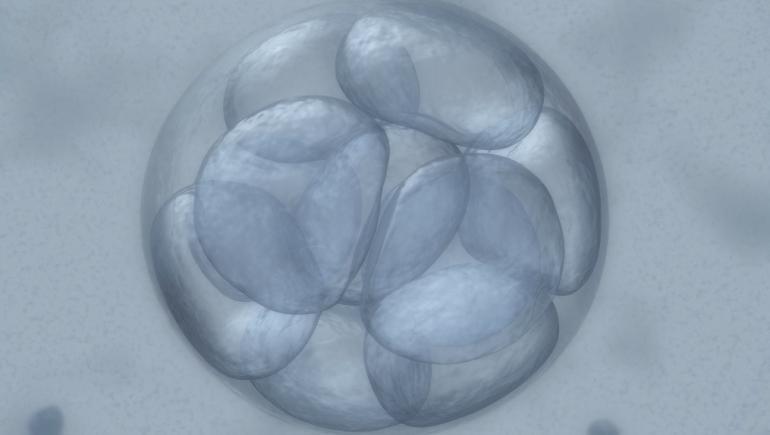
Embryo maturation.
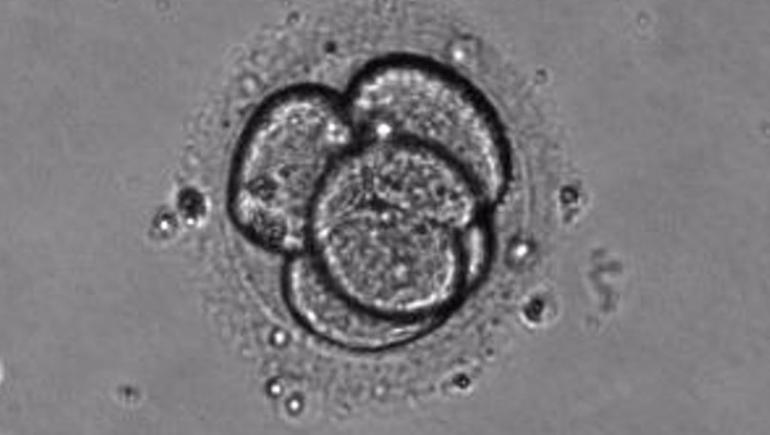
The marriage of medicine and technology is perhaps the most successful and progressive relationship of our time. Almost every day, both fields bring about a significant breakthrough that transforms the lives of many people the next day. Such is the case with in vitro fertilisation, which, thanks to the use of ever newer technological solutions, offers hope to an ever wider group of infertile people. One of these is a system for very precise observation of embryo division, increasing the chance of pregnancy.
The marriage of medicine and technology is perhaps the most successful and progressive relationship of our time. Almost every day, both fields bring about a significant breakthrough that transforms the lives of many people the next day. Such is the case with in vitro fertilisation, which, thanks to the use of ever newer technological solutions, offers hope to an ever wider group of infertile people. One of these is a system for very precise observation of embryo division, increasing the chance of pregnancy.
Ab ovo...
... that is, from the beginning about how in vitro fertilisation takes place. It all starts ab ovo (Latin for egg). The egg cell is combined with a sperm outside the woman's body, because for various reasons fertilisation in the natural environment is not possible. The embryo resulting from the fusion of the germ cells is placed after a few days in the woman's uterus, where it further develops into a pregnancy. However, in order for the embryo to be ready for transfer, it must reach an appropriate maturity. The assessment of this maturity is carried out by experienced embryologists who know very well what stages it should reach from the time of fertilisation until the day it enters the woman's body.
How is the observation of the embryo carried out?
To increase the accuracy of this assessment, the embryologists at Invimed use an advanced embryo monitoring system called EmbryoVision. With it, they are able to accurately determine whether the embryo has developed adequately in the minutes between fertilisation and administration.
Embryos develop with incredible speed. On the very first day the embryo divides in half, on the second day into four cells, on the third day into eight cells. On the fifth day it reaches the blastocyst stage. It then counts between two hundred and three hundred cells. To track this with great accuracy, special microscopes with cameras are placed in the incubators where the embryos develop. These take pictures every five minutes, allowing very precise observation and analysis of the maturation of the embryo. Through monitoring, the embryologist can detect possible abnormalities and compare the developmental potential of all embryos. Usually several are created, as some of them die spontaneously at different stages of maturation.
Invimed researchers' discovery
Doctors' opinions on when is the best time to transfer an embryo are divided. There is debate as to whether it is best to give it on the third day, when it has eight cells, or to wait until the fifth day, when it is much more developed. It turns out that both ways are right and produce the desired results. This is because every woman's body is different and the timing of embryo delivery depends on the individual case. The Invimed team decided to find out in which group of women the method of delaying the time the embryo is placed in the uterus creates a better chance of pregnancy.
Eighty women of different ages were selected. The study confirmed that the administration of an embryo at the blastocyst stage (on day five) increased the chance of becoming pregnant already in the first IVF cycle by up to 12.5 per cent in women before the age of 35. The success rate of IVF increased to as much as 54 per cent!
However, it is important to remember that every case of infertility is different. That is why the doctors at Invimed focus first on determining its cause and then selecting the best treatment method that will be most effective for the couple.
Medical advances mean that what seemed impossible yesterday is common practice today. It is worth taking advantage of this to improve your life and realise your dreams.
The medical information presented should be considered as general guidelines and does not replace the individual judgement of the doctor regarding the medical management of each patient. The doctor, after a thorough examination of the patient's condition, determines the extent and frequency of diagnostic tests and/or therapeutic procedures, taking into account specific medical indications. All medical decisions are made in full consultation with the patient.
Author of the article

Invimed editorial team - we serve patients by solving their fertility problems. We use world medical knowledge, state-of-the-art technology and treatment methods. We are here to make dreams of parenthood come true. The smiles on the faces of happy parents give meaning to our work.
See all articles →