Fertility traps in the diet.
A well-balanced diet is extremely important during pregnancy. It has a positive effect on health and, therefore, on fertility. However, there are some foods which can be "overdone". Adrianna Barczyńska, MSc, a dietician from the InviMed clinic in Katowice, writes about what you cannot overdo and why.
A well-balanced diet is extremely important during pregnancy. It has a positive effect on health and, therefore, on fertility. However, there are some foods which can be "overdone". Adrianna Barczyńska, MSc, a dietician from the InviMed clinic in Katowice, writes about what you cannot overdo and why.
A healthy diet, or what kind of diet?
A healthy diet can influence the regularity of menstrual cycles and the normal course of ovulation, the proper functioning of the hormonal economy, can reduce inflammation, correct vitamin and mineral deficiencies, prevent the occurrence of overweight and obesity, reduce insulin resistance.
Therefore, the diet should be characterised by a high nutrient density, which means that every product consumed should carry health benefits. However, despite the high health-promoting and pro-fertility potential, it is important to exercise moderation in the consumption of certain products. Which products should you be careful with?
Fruit
For full health, the basis of our diet should be fruit and vegetables, a minimum of 400g per day of which ¾ should be vegetables and ¼ should be fruit.
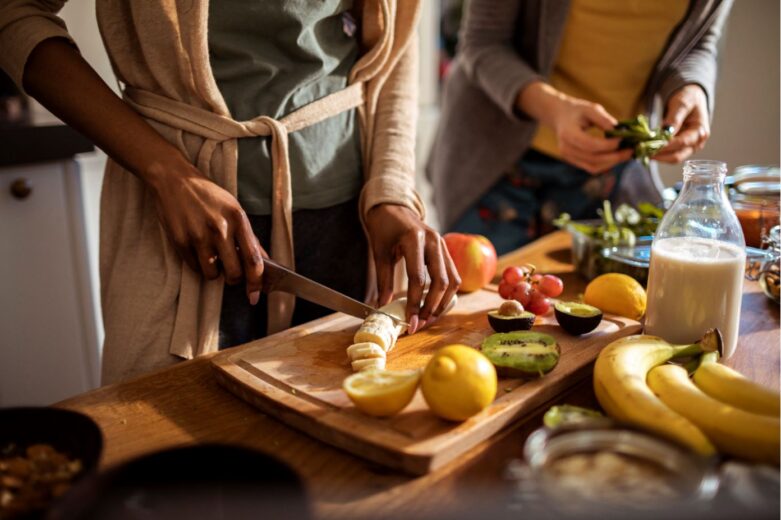
Fruit is rich in vitamins (especially folic acid and vitamin C), minerals, fibre and antioxidants, but it is also a source of sugars - which is why it should be eaten every day, but in moderation. Fruits differ in their sugar content - raspberries, strawberries, currants, blueberries, lemons, grapefruit, cherries, apples, oranges contain less, while pineapples, pears, cherries, grapes, bananas contain more.
During your efforts, you should take special care of your hormonal balance. This can be done by following a diet with a low glycaemic index, i.e. one that does not provoke sudden and large insulin surges. For this reason, excess fruit in the diet should be avoided, especially between meals, as it can cause a rapid rise in glucose levels and therefore a large insulin release. This restriction particularly applies to people with insulin resistance and diabetes. Fruit is best eaten with a meal, accompanied by fibre from whole grains, protein or fat products.
*** Download free ebook: Diet in PCOS. Get your hormones under control! More pro-fertility ebooks for £0 at: www.invimed.pl/ebooki ***
Nuts and seeds
Regular consumption of nuts and seeds is extremely beneficial for improving fertility. Generally speaking, they are a source of vitamin E, zinc, selenium, magnesium, unsaturated fatty acids, amino acids - the important arginine.
In addition to their high nutritional value, nuts and seeds are also high in calories due to their fat content and should therefore be eaten in reasonable quantities. 100g of these products is between 500 and 600kcal, depending on the type.
In the diets I work out, portions of nuts or seeds are usually 20-30g depending on the composition of the meal. I don't recommend snacking on them between meals (unless we're talking about a planned snack such as fruit+nuts), as it's easy to overdo the amount. It is best to add them to oatmeal, salads, dinner dishes to increase the nutritional value of these dishes.
Eggs
Eggs are another highly nutritious product. They are a source of many ingredients important for fertility - fat-soluble vitamins A, D and E, iron, zinc, vitamin B12, choline.
It would seem that since eggs are such a treasure trove of nutrients, one should consume as many as possible. However, they are also a source of cholesterol which, if consumed in excess, can have a negative impact on lipid metabolism and the condition of blood vessels. The acceptable daily intake of cholesterol is 300mg, while two eggs already have a little over 300mg.
Therefore, it would be most prudent not to combine eggs with other products that are a source of cholesterol during the day, such as red meat or offal. In addition, it should be remembered that the yolk should not be subjected to excessive heat so as not to destroy its properties and increase the adverse effects of cholesterol. Eggs fried in very hot fat should therefore not appear on the pro-fertility menu.
Fibre
We are told at every turn that our diet should contain plenty of fibre, especially insoluble fibre from whole-grain foods. Insoluble fibre is very beneficial for fertility because it lowers the glycaemic index of products and foods, mechanically stimulates the gastrointestinal tract to work, thus preventing constipation and the excessively long residence of faecal masses in the lumen of the intestines.
Whole-grain products are also a source of B vitamins, zinc, selenium. Fibre helps to remove excess oestrogen from the body. It also helps regulate lipid metabolism because it is absorbed in the digestive tract and helps excrete bile acids.
The benefits are therefore numerous, but fibre should nevertheless be consumed in moderation. The recommended intake of fibre is 25-40g per day. Wholemeal rye bread contains 8.4g of fibre per 100g, buckwheat groats contain 5.9g of fibre per 100g, brown rice 8.7g and oatmeal 9.6g.
Excess fibre can cause bloating or even constipation due to its water-binding properties in the intestinal lumen, can cause diarrhoea in susceptible people, and can interfere with the absorption of minerals such as iron and calcium. When consuming large quantities of fibre, it is therefore important to ensure adequate hydration and to eat plenty of fruit and vegetables.
Finally, it is worth mentioning supplements - they can benefit fertility, but should only be taken when justified. Taking supplements on an exaggerated basis will not help, and may put unnecessary strain on you. Care should also be taken not to duplicate ingredients when taking different preparations, as some vitamins and minerals can have a toxic effect on the body if taken in excess. It is best to choose supplements individually with the help of a doctor or dietician.
This article was prepared by Adrianna Barczyńska, a dietician at the InviMed clinic in Katowice, Poland. On a daily basis, she helps patients of the InviMed clinic to choose a diet that can be helpful in infertility treatment.
DIETARY TELEPORTATION
Our specialist also provides dietary advice over the phone. No matter where you live, you can benefit from her expertise. To arrange a dietetic teleportation, call the InviMed Helpline on: 500 900 888.
For more information, visit: Dietary consultation - teleportation
The medical information presented should be considered as general guidelines and does not replace the individual judgement of the doctor regarding the medical management of each patient. The doctor, after a thorough examination of the patient's condition, determines the extent and frequency of diagnostic tests and/or therapeutic procedures, taking into account specific medical indications. All medical decisions are made in full consultation with the patient.
Author of the article

Invimed editorial team - we serve patients by solving their fertility problems. We use world medical knowledge, state-of-the-art technology and treatment methods. We are here to make dreams of parenthood come true. The smiles on the faces of happy parents give meaning to our work.
See all articles →