How to support immunity during pregnancy - what to eat and drink when you are expecting a baby?.
Colds, flu and pneumonia can affect anyone, including pregnant women. However, they are not as threatening to everyone as they are to pregnant women. The illness can have a negative impact on the development of the foetus and can even result in miscarriage or premature birth. This is why it is important to take the best possible care of your immunity. Both vaccination before pregnancy and a proper diet during pregnancy are important. We talk to Adrianna Barczyńska, a dietician from the InviMed clinic in Katowice, about diets that strengthen women's immunity during pregnancy.
What to eat during pregnancy so as not to harm it and to strengthen immunity?
The diet during pregnancy should be varied and highly nutritious in order to ensure the proper development of the foetus and to keep the mother fully healthy. During the autumn and winter period, it is particularly important to ensure a proper diet to strengthen immunity and minimise the risk of infection. Ingredients that affect the immune system are found in staple foods, so introducing them into the diet should not be a problem.
However, if for some reason you are avoiding the consumption of certain food groups, you should consider supplementation.
Vitamins
Attention should be paid to an adequate supply of immune-supporting vitamins, these are primarily vitamins A, E, D, C.
- Vitamin A influences the production of immune bodies, maintains the continuity of the mucous membranes to prevent invasion by micro-organisms, and has a protective effect on the mucous membranes. Provitamin A, or beta-carotene, is an antioxidant that protects the cells of the immune system. Vitamin A and beta-carotene are commonly found in food and deficiencies are very rare, usually associated with malnutrition. Dietary supplements for pregnant women often contain a safe amount of vitamin A. It should be borne in mind that excess vitamin A can have a toxic effect on the foetus therefore this ingredient should not be duplicated in other preparations.
Sources of vitamin A include: dairy products, eggs, fish butter. Sources of beta-carotene are: vegetables and fruits such as yellow and orange vegetables and fruits, as well as green leafy vegetables. - Vitamin E is a powerful antioxidant and is present in the membranes of all cells, where it effectively inactivates free radicals.
Sources of vitamin E are: oils, nuts and seeds and leafy vegetables. - Vitamin D is very important for our immunity. Current dietary recommendations indicate the need for vitamin D supplementation due to low exposure to sunlight and its low content in foods. The dose should be adjusted according to the current level of it in the blood.
Sources of vitamin D are: fatty fish such as eel or salmon, as well as herring and mackerel. The most important source of vitamin D is the sun. Dermal synthesis under solar UVB radiation can cover as much as 90% of the daily vitamin D requirement. - Vitamin C is rapidly consumed during infection; large amounts are found in immune bodies. Thanks to its antioxidant effect, it protects tissues from damage. It also has a stimulating effect on the immune system, especially in combination with vitamin E. As vitamin C is rapidly consumed by leukocytes, the intake of vitamin C should be increased during the autumn and winter period, especially from fresh vegetables and fruit. Vitamin C is unstable at high temperatures, oxidising at 60 degrees, so adding lemon juice to very hot tea will only affect the taste, and will not have an effect on health.
The best sources of vitamin C are: fresh peppers, berries, citrus, cabbage.
Mineral components
Minerals such as selenium, zinc and iron are also important for improving immunity.
- Selenium is a powerful antioxidant and its deficiency can cause a weakening of immunity which increases susceptibility to viral and bacterial infections.
Good sources of selenium are: fish and seafood, as well as nuts and whole grain products, especially buckwheat groats. - Zinc is involved in the production of immune bodies and is therefore a very important component of the diet. Its sources are widely available and inexpensive foodstuffs, so there should be no problem with its deficiency. However, if the diet of a pregnant woman is not properly composed and is rich in highly processed products, there is a risk that she may not be getting enough of it.
Sources of zinc are: Whole-grain cereal products such as wholemeal bread, buckwheat groats, cheeses and meat and its products. - Iron is a very important component for a pregnant woman due to the increasing blood volume. However, it also influences immunity, ensuring that the cells of the immune system function properly.
Source of iron is Above all, meat, which contains the best absorbed haem iron. It is worth remembering that iron is better absorbed in the company of vitamin C, so a portion of meat must be accompanied by a salad or fresh fruit with the meal.
Healthy fats
Immunity is also influenced by healthy fats, especially polyunsaturated fatty acids (PFAs), especially those of the omega-3 family. These have immunomodulatory and anti-inflammatory functions.
Sources of omega-3 fatty acids include soybean oil, rapeseed oil and flaxseed oil, but the primary sources of EPA (eicosapentaenoic acid) and DHA (docosahexaenoic acid) are marine fish. Other PFAs are also important and sources include sunflower oil, olive oil, nuts and seeds.
What to eat or drink if you are ill during pregnancy?
If you catch a cold during pregnancy, it is worth helping yourself with home remedies. Adequate fluid intake is very important; in addition to water, you can drink fluids to help fight a cold.
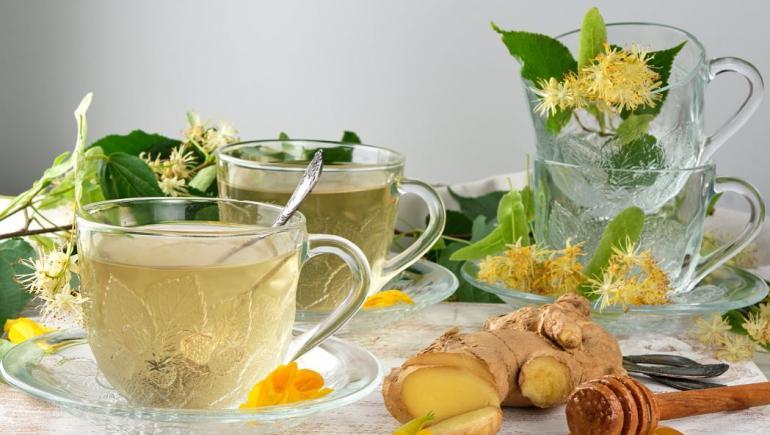
At the first symptoms, an infusion of lime blossom with ginger and honey is beneficial. The lime blossom has an inflammatory and anti-inflammatory effect and also helps against coughing. Ginger is a natural antibiotic and has a warming effect. Honey, on the other hand, has an antitussive effect.
It is also worth stocking up on beetroot sourdough, which, as well as providing vitamins and minerals, is a natural probiotic. It will support immunity and speed up recovery.
With a cold, it is important to have an adequate supply of vitamin C, which can be found in raw vegetables and fruit. Therefore, it is worth introducing citrus fruits, peppers and tomatoes into the diet. Remember to add lemon to cooled tea - otherwise you will not benefit from the benefits of vitamin C because it will die at too high a temperature (above 60 degrees).
A cold diet should be easily digestible, but remember to include whole-grain cereals and healthy vegetable and fish fats, which will support the body's immunity thanks to their vitamin, mineral and appropriate fatty acid content.
Can any home remedies to combat a cold harm pregnancy?
Most natural ways of fighting a cold are safe for pregnant women. However, attention should be paid to the intolerances and discomforts following the products. Garlic can cause heartburn and belching, which is a common and unpleasant occurrence during pregnancy. Onions, on the other hand, and therefore also onion syrup, can cause bloating.
Is hibiscus tea healthy for pregnant women?
You can find information on the internet about hibiscus infusion supposedly causing uterine contractions, but there are no scientific reports on this. In my opinion - there are many other products and teas that have similar antioxidant properties, so to be safe, it is better to substitute hibiscus with rooibos tea, for example.
***
Adrianna Barczyńska - dietitian at the InviMed Katowice clinic, where she provides dietary consultations to couples trying to have a baby, but also to pregnant women. Graduate of dietetics at the Medical University of Silesia.
Read also:
Vaccination before or during pregnancy - what to vaccinate against?
HPV virus - what is it? Symptoms, diagnosis and impact on fertility
The medical information presented should be considered as general guidelines and does not replace the individual judgement of the doctor regarding the medical management of each patient. The doctor, after a thorough examination of the patient's condition, determines the extent and frequency of diagnostic tests and/or therapeutic procedures, taking into account specific medical indications. All medical decisions are made in full consultation with the patient.
Author of the article

Invimed editorial team - we serve patients by solving their fertility problems. We use world medical knowledge, state-of-the-art technology and treatment methods. We are here to make dreams of parenthood come true. The smiles on the faces of happy parents give meaning to our work.
See all articles →