In vitro transfer - how do you know it's successful? .
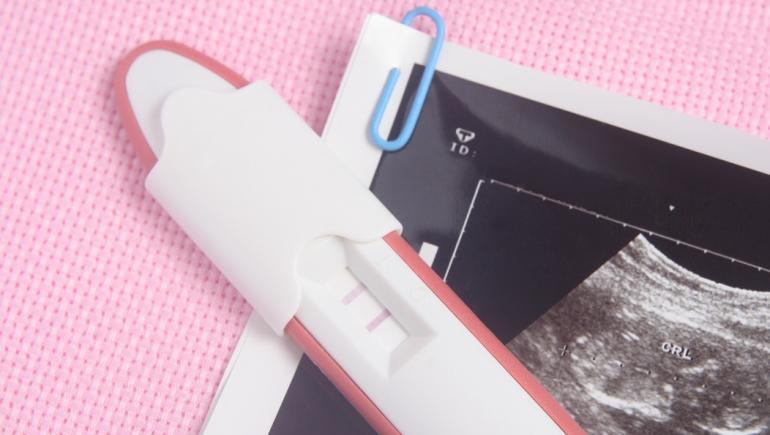
Embryo transfer - how to proceed?
Embryo transfer involves the transfer into the uterine cavity of one or two ova that have been fertilised with donor sperm in the laboratory. Immediately after the procedure, you will need to stay in the clinic for a period of about 30 minutes. In the following days, you will need to follow certain instructions.
Above all, it is advisable to refrain from intercourse for the next two weeks. During this time, the woman may experience ovarian pain. It is also important not to get tired and to avoid stress. It is possible to lead a normal lifestyle, but resting as much as possible and giving up demanding activities
First symptoms after IVF
Some changes after in vitro, such as breast tenderness or mood swings, can be caused by hormone supplementation. Gestagens are given to prepare the endometrium to receive the embryo. Hormone administration can usually be discontinued at the stage of confirmation of clinical pregnancy. However, further progesterone support is often needed, even up to 12 weeks, to sustain the pregnancy.
If the embryo does implant, you may experience implantation spotting. This is a normal occurrence, so there is no need to worry about it. It usually manifests itself in the form of a few drops of brown blood, visible on the underwear. It usually lasts no more than three days. It is not intense bleeding, so it can be easily distinguished from menstruation.
The implanted embryo 7-10 days after transfer begins to produce the hormone chorionic gonadotropin (HCG). The concentration of this hormone increases markedly around day 11 or 12. This is when a pregnancy test is performed to confirm a biochemical pregnancy. The ultrasound examination, which will definitively confirm the pregnancy, is performed at the fifth week.
Signs of successful embryo transfer
Some symptoms may indicate a successful procedure, but they may also be related to medication. This is because the estrogen and progesterone taken before embryo transfer, and the progesterone taken after transfer, mimic the bloating, breast pain and discharge that accompany pregnancy. Consequently, no signs give 100% certainty.
However, many people eagerly await certain symptoms that may indicate a successful embryo transfer. If they do appear, they are usually symptoms that also accompany a natural pregnancy.
- Cramps - can signal your upcoming menstruation. It can also be a sign that the embryo transfer has been successful. Unfortunately, this is not a clear-cut symptom.
- General fatigue. Feeling tired seems to be a typical sign of pregnancy. Particularly at the beginning, you may feel extremely sleepy as your progesterone levels rise rapidly.
- Morning nausea - usually starts in the second month of pregnancy, so this is not necessarily a symptom you will notice within 2 weeks of embryo transfer. However, if you experience vomiting during this time, it is worth consulting your doctor.
- Flatulence - can be caused by an increase in progesterone levels. This hormone can slow down your digestive tract and make you feel more bloated than usual.
- Changing tastes. Pregnancy can make you dislike certain tastes or smells. You may start to crave foods that you previously shunned. Your nose may also become sensitive to smells to which it has not previously paid attention.
- Blocked nose. Changes in hormone levels can cause swelling of the mucous membranes. Some women also experience nosebleeds.
- Changes in vaginal discharge. An increase in vaginal discharge can be an early sign of pregnancy. If the changes are the result of a successful embryo transfer (and ultimately, a positive pregnancy test), you may notice a thin, white, mildly scented discharge during the early weeks of pregnancy.
- Increased bladder urge. The frequent need to visit the bathroom can be an early sign of pregnancy. It is associated with an increase in the pregnancy hormone hCG and a spike in progesterone. If the embryo transfer has been successful, the increased need to urinate is also a result of the extra blood in your body, but this happens gradually in the later stages of pregnancy.
- Lack of menstruation on the expected date - can signal pregnancy, especially in people whose cycle is always regular.
Read also:
How to increase the chances of IVF success?
Ectopic pregnancy and in vitro
The medical information presented should be considered as general guidelines and does not replace the individual judgement of the doctor regarding the medical management of each patient. The doctor, after a thorough examination of the patient's condition, determines the extent and frequency of diagnostic tests and/or therapeutic procedures, taking into account specific medical indications. All medical decisions are made in full consultation with the patient.
Author of the article

Invimed editorial team - we serve patients by solving their fertility problems. We use world medical knowledge, state-of-the-art technology and treatment methods. We are here to make dreams of parenthood come true. The smiles on the faces of happy parents give meaning to our work.
See all articles →