Diet after transfer. Nourish the endometrium!.
Endometrium is the mucous membrane found in the cavity of the uterus, which periodically expands and peels off under the influence of hormones. Therefore, in order to ensure its proper thickness, it is necessary to take care not only of the components that build it up, but also of a properly functioning hormonal balance.
Why is the endometrium important?
The endometrium should be about 7-9 mm thick in the pre-ovulatory period, up to 15 mm in the later luteal phase. An endometrium that is too thin prevents the embryo from implanting and can therefore be a serious obstacle when trying to get pregnant.
Post-transfer diet
It should be noted that there is no specific diet for improving the thickness of the endometrium, which plays an important role in the embryo implantation process.
However, it is worth it:
- focus on proper nutrition, so that all the metabolic processes that take place in it work properly, so that it is supplied with ingredients that affect the quality of the mucous membranes,
- maintain a diet that supports hormone management, include as many antioxidants as possible from food to prevent cell and tissue damage,
- withdraw products that have a pro-inflammatory effect in our body.
Lipids, proteins, amino acids
The functional endometrium is made up of lipids and proteins, which form the nutritional layer for the embryo. It is therefore worth providing the best possible quality of fatty acids and proteins with the diet.
In the case of fats, the focus should be on providing adequate amounts of omega-3 fatty acids, which build up cell membranes, positively influence the adequate blood supply to the uterus and the concentration of sex hormones.
Sources of omega-3 fatty acids are mainly oily sea fish, flax seeds, walnuts and rapeseed oil. In the case of protein, it will be important to provide an adequate portion of complete protein on a daily basis - that is, protein that is a source of all essential amino acids, so those that must be supplied externally - simply put, to achieve this, products of animal origin should appear in the diet - fish, lean meat, dairy, eggs.
A meat-free diet is not a problem as long as other zoonotic products are consumed. However, for vegan diets, it is important to include whole grain cereals, pulses and nuts or seeds in the diet throughout the day - then the full amino acid requirement will be met.
Vitamin E
Another ingredient to look after is fat-soluble vitamin E. It is a powerful antioxidant that influences the normal structure of epithelia, including the structure of the endometrium; it also influences the normal functioning of the ovaries.
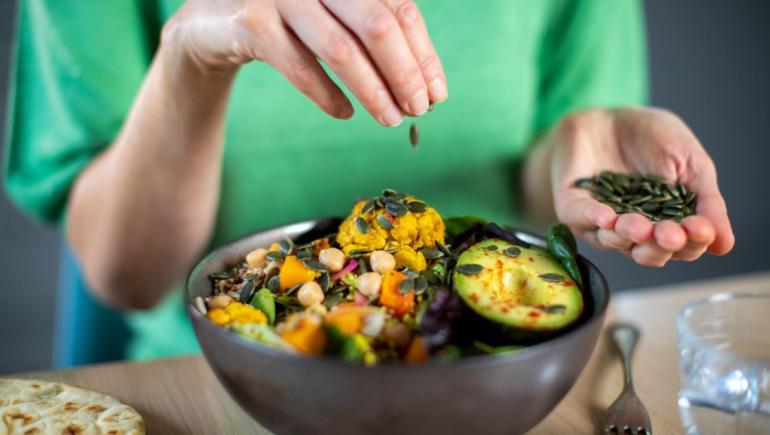
Sources of vitamin E include vegetable oils, nuts, seeds, wheat germ, avocados and sprouts. By including these products in the diet on a daily basis, there is no need to supplement this vitamin. It is important to remember that excess antioxidants from supplementation can consequently increase the amount of free radicals in the body.
Vitamin C, zinc and selenium
Equally important is the supply of other antioxidants, above all vitamin C, zinc and selenium, which together will influence the normal structure of the endometrium. Vitamin C influences the blood supply to the uterus and therefore the nutrition of the endometrium.
Sources of zinc include whole-grain bread, buckwheat groats, eggs and meat. Selenium can be found in whole grain cereals, seafood, fish eggs and legumes. On the other hand, fresh fruit and vegetables, especially peppers, citrus fruits, strawberries and currants are sources of vitamin C.
Vitamin D
Vitamin D is extremely important for fertility, including the formation of the endometrium and the correct implantation of the embryo. Its deficiencies adversely affect the hormonal balance and can cause menstrual disorders.
Vitamin D is produced in our skin via the sun's rays - in summer, 15 minutes of being in the sun with the skin of the arms and legs exposed is sufficient. In contrast, vitamin D should be supplemented during autumn and winter, and the dose should be adjusted according to blood levels. The optimum blood level of vitamin D is 31-50 ng/ml and at this level in an adult, a prophylactic dose of 1000IU/day is used. In case of deficiency, the dose should be correspondingly higher.
Vitamin B6
Vitamin B6 contributes to maintaining normal progesterone levels.
Dietary sources of vitamin B6 include whole grain cereals, poultry meat, eggs, fish, bananas, avocados, and green leafy vegetables.
Pay attention to the GI
As I mentioned above, normal endometrial growth is determined by hormones - oestrogen and progesterone. A diet that has a positive effect on hormone management is a diet with a so-called low glycaemic index (GI), which excludes products that rapidly raise blood glucose levels and induce high insulin secretion. This diet eliminates simple sugars from sugar, sweets, sweet drinks, cereal products made from refined flour.
The products indicated with a low and medium GI are mainly whole grain products: wholemeal rye bread, wholemeal pasta, brown rice, groats, pulses, vegetables and fruit.
It is worth remembering that body weight affects hormonal balance. Overweight and obesity can lead to insulin resistance, which has a negative impact on fertility. The best way to combat insulin resistance is to follow a healthy and sensible diet with a low glycaemic index.
Don't eat that!
- Products that can negatively affect the thickness of the endometrium and the course of the ovulatory cycle are, in particular highly processed foods containing trans fatty acidswhich have a pro-inflammatory effect. Sources of trans-fatty acids include hard cube margarines, convenience foods, fast food, sweets, bakery products and salty snacks such as crisps.
- The negative impact will also be excess of simple sugars in the diet. Simple sugars include not only sweets and sugary drinks, but also white flour products, fruit juices.
In conclusion, in order to ensure the correct growth of the endometrium and to create the best possible conditions for the implantation of the embryo, it is necessary to maintain a highly nutritious diet that includes products from all groups, and to ensure a low glycaemic index. Highly processed foods should be eliminated, i.e. those that not only do not contribute anything positive to our health, but also have a harmful potential.
***
Article prepared by MA Adrianna Barczyńska, a dietician at the InviMed clinic in Katowice, Poland. On a daily basis she helps patients of the InviMed clinic to choose a diet that can be helpful in infertility treatment.
DIETARY TELEPORTATION
Our specialist also provides dietary advice over the phone. No matter where you live, you can benefit from her expertise. To arrange a dietetic teleportation, call the InviMed Helpline on: 500 900 888.
For more information, visit: Dietary consultation - teleportation
The medical information presented should be considered as general guidelines and does not replace the individual judgement of the doctor regarding the medical management of each patient. The doctor, after a thorough examination of the patient's condition, determines the extent and frequency of diagnostic tests and/or therapeutic procedures, taking into account specific medical indications. All medical decisions are made in full consultation with the patient.
Author of the article

Invimed editorial team - we serve patients by solving their fertility problems. We use world medical knowledge, state-of-the-art technology and treatment methods. We are here to make dreams of parenthood come true. The smiles on the faces of happy parents give meaning to our work.
See all articles →