What is hysteroscopy for? .
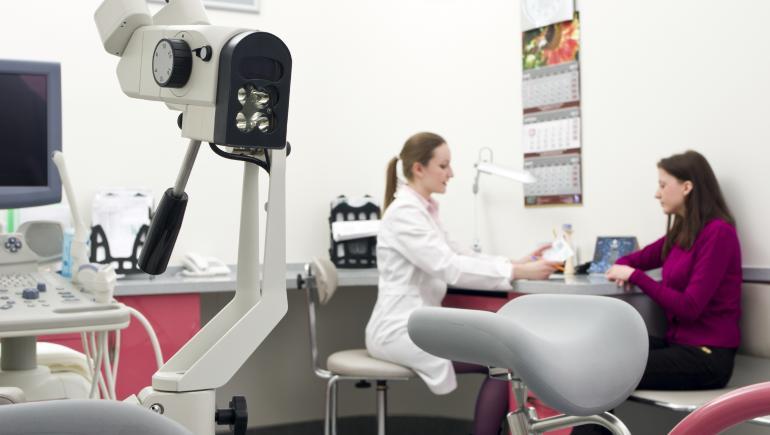
Unsuccessful attempts to get pregnant, miscarriages, menstrual disorders, bleeding from the reproductive tract, the presence of adhesions, myomas, polyps in the uterus or an abnormal shape of the uterus are indications for hysteroscopy. What does it involve and is it invasive? How do I prepare for it?
What does hysteroscopy involve?
Hysteroscopy is another way of viewing the uterus. It involves inserting a thin, 4mm Bettocchi hysteroscope through the vagina and cervix. Thanks to the camera inside, the doctor can see and assess the inside of the uterus on a monitor. If necessary, small sections are taken for histopathological examination to exclude cancerous lesions. During the examination, it is also possible to remove smaller lesions that prevent the patient from becoming pregnant. The examination is minimally invasive and short, lasting several minutes. It does not require anaesthesia or special preparations. However, it is worth remembering not to use the toilet before entering the office. A filled bladder will make the doctor's task easier. The best time for the examination is in the first few days after your period ends.
What are the indications for the study?
- unsuccessful efforts to have a child
- miscarriages
- abnormal shape and size of the uterus
- intrauterine adhesions, septa, polyps, myomas
- bleeding occurring from an unknown cause
- disturbances in the menstrual cycle
- suspected rupture of the uterine wall
- taking biopsy specimens for histopathological examination
Hysteroscopy is one of the important investigations to help determine the cause of infertility. It is worth performing if so advised by your doctor.
The medical information presented should be considered as general guidelines and does not replace the individual judgement of the doctor regarding the medical management of each patient. The doctor, after a thorough examination of the patient's condition, determines the extent and frequency of diagnostic tests and/or therapeutic procedures, taking into account specific medical indications. All medical decisions are made in full consultation with the patient.
Author of the article

Invimed editorial team - we serve patients by solving their fertility problems. We use world medical knowledge, state-of-the-art technology and treatment methods. We are here to make dreams of parenthood come true. The smiles on the faces of happy parents give meaning to our work.
See all articles →