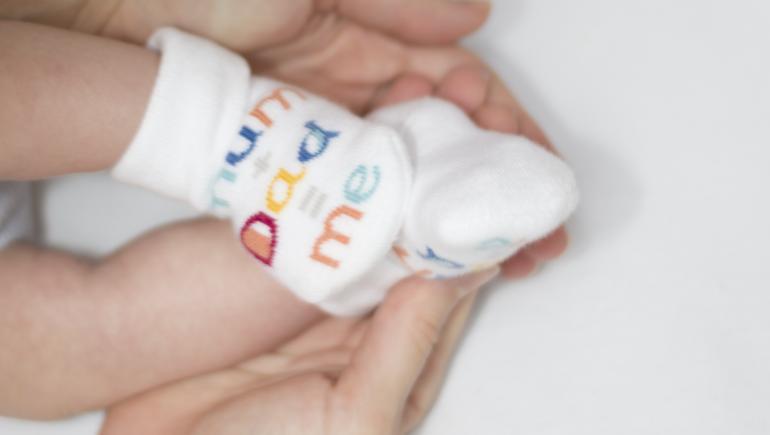
We can only have a child thanks to a donor.

Starting a family with the help of a third party is a particular challenge for infertile couples. It involves dealing with numerous moral dilemmas and emotional difficulties. The decision facing the couple is not an easy one.
The dilemma of using a donor or donor reproductive cell is most often faced by people who have already had a long journey through illness. They have undergone numerous diagnostic tests and sometimes treatment that has not had the desired effect. The decision to try to have a baby, thanks to another man's sperm or another woman's egg cell, is another challenge they were not prepared for. It comes at a time when they are exhausted and struggling to maintain their belief that they will one day become parents. The second group is made up of those patients who are given the difficult information right at the start of the journey that their only chance of having the awaited child is to use third-party help. Not only do they have to confront the fact of infertility, but they also have to decide on issues that until so recently seemed abstract to them.
Before you decide
If your doctor has suggested using gamete or embryo donation, it is worth giving yourself a little time to think and analyse the situation in depth. Already at this point, we must realise that the aim is not just to get pregnant, but to create a family that should be built on a strong foundation. The basis for this is the confidence of both partners and their acceptance of the way in which they are starting a family. That is why it is so important to act without haste. The decision must be well thought out, and it is not worth relying on fate, explaining to oneself that "it will happen somehow".
The first and most important step in deciding whether to use a donor or a donor should be to give oneself time for in-depth reflection. My patients once put it best: "We don't want to decide to donate right now. If we did, we would not enjoy this pregnancy, it would be a failure for us and not happiness and joy, because today we still want our child together". The decision to use donors should be preceded by going through a grieving process for their own genetic child, which the couple cannot have. This is a difficult but necessary stage, since most of us, when choosing a life partner, look at him or her as the future parent of a common child and think : "He or she will be the person with whom I will have a child who will resemble us. Our Christopher will probably be blond, rather not very tall, maybe not beautifully drawn, but he or she should have a good musical ear, like everyone else in our family". And suddenly we find ourselves having to say goodbye to our visions, imaginings and dreams. The child we may have will not be so much like us. This involves pain, grief, sadness, often anger at life and fate for giving us such a difficult future. This has to be lived through.
This is why we offer psychological counselling to couples who are considering the option of gamete or embryo donation. The stories of infertile people show how difficult and important it is to deal with the emotions and doubts that often arise at the stage of deciding on parenthood through donation, and how important psychological support can be here. A specialist, through conversation, can help you to make a decision that will affect your future happy life.
See also: Stage 2 - A time of difficult decisions: ideas about the future family
You can read more about possible forms of psychological support here https://www.invimed.pl/psycholog
The medical information presented should be considered as general guidelines and does not replace the individual judgement of the doctor regarding the medical management of each patient. The doctor, after a thorough examination of the patient's condition, determines the extent and frequency of diagnostic tests and/or therapeutic procedures, taking into account specific medical indications. All medical decisions are made in full consultation with the patient.
Author of the article

Invimed editorial team - we serve patients by solving their fertility problems. We use world medical knowledge, state-of-the-art technology and treatment methods. We are here to make dreams of parenthood come true. The smiles on the faces of happy parents give meaning to our work.
See all articles →