We are considering donor support because we really want to have a baby.
Once both man and woman have come to terms with the idea that they will not be the genetic parents of the child, it is time to imagine what the future of their extended family will look like. Questions arise: Since the child will not have my genes will I be his or her real parent? Who will the donor or donor be for us and our child? How will this affect our relationship? How will we feel about it? Should our child know? What about the rest of the family, friends? Should we tell them or is it better to keep this knowledge to ourselves?
Dorota Gawlikowska, psychologist: The further we delve into the subject, the more questions and doubts we have. And that's how it should be, even though it's very difficult: responsible people cannot face such an extremely complicated issue without deep reflection. What is a hardship today will pay off in the future, becoming the basis of a wise, confident decision. A decision that can give us happiness. Therefore, let us not be afraid of questions. Let us not push them off, let us not push them away. This is the right time to seek answers. Parenting through gamete or embryo donation is called prenatal adoption for a reason. It means that we undertake to give birth to and raise a child who is genetically unrelated to at least one of us. And at the same time, we become the parents of an adopted child, and this presents a major challenge. People who decide to socially adopt a child go through courses, form support groups and work with psychologists to best prepare for this event. Those who become parents through prenatal adoption are on their own, and their path does not seem easy at all. They have to put in a great deal of work to resolve nagging dilemmas on their own, seek information, reach out to people who have gone through similar experiences. This is why the support and help of a psychologist, whether on an individual basis or in the form of psycho-educational workshops or lectures, can be important and helpful here: thanks to it, we have the chance to take a little shortcut and not risk getting lost and wandering into a blind alley of not always good advice and factually correct information. But whichever route we decide to take, it is always worth remembering that question-and-answer time is not time lost, but a necessary step on the road to parenthood.
Reach the desired destination
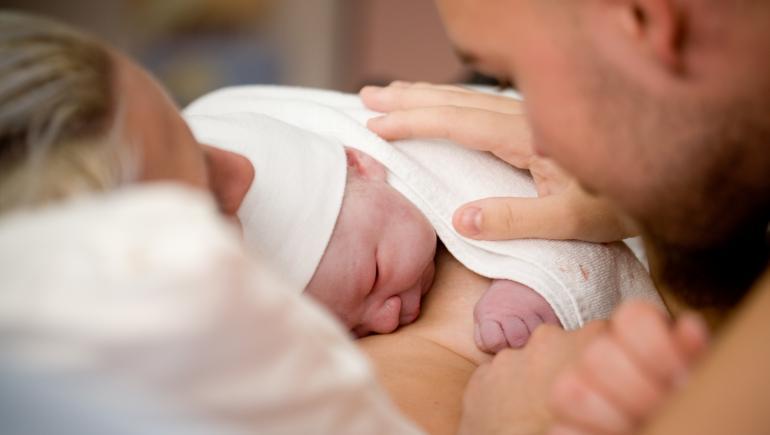
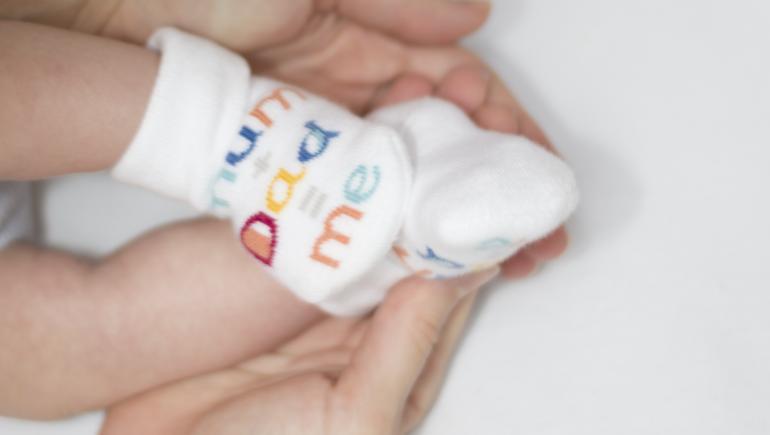
At the end of the long and difficult road to parenthood through donation is the certainty that the child to be born is the child we have been waiting for. It is ours, no matter what combination of genes contributed to its conception, and we are its only parents, the mum and dad whose voice it will still know from the prenatal period, who will love it and with whom it will feel safe. As safe as it can only be in the arms of mum and dad.
See also: Stage 1 - before life decisions are made
You can read more about possible forms of psychological support here https://www.invimed.pl/psycholog
The medical information presented should be considered as general guidelines and does not replace the individual judgement of the doctor regarding the medical management of each patient. The doctor, after a thorough examination of the patient's condition, determines the extent and frequency of diagnostic tests and/or therapeutic procedures, taking into account specific medical indications. All medical decisions are made in full consultation with the patient.
Author of the article

Invimed editorial team - we serve patients by solving their fertility problems. We use world medical knowledge, state-of-the-art technology and treatment methods. We are here to make dreams of parenthood come true. The smiles on the faces of happy parents give meaning to our work.
See all articles →